

You’re growing. Your systems… not so much. Learn how to spot the signs that QuickBooks is holding you back and what it really takes to move up to a modern ERP platform.
As businesses scale, the tools that got you here won’t always get you there. If you’re constantly fighting spreadsheets, manual workarounds, and limited visibility, it might be a sign you’ve outgrown QuickBooks.
In this on-demand session, Chrissy Allard (goVirtualOffice) and Jennie Hoffman (AccountingDepartment.com ) share real-world stories from finance and accounting teams who hit a wall with QuickBooks — and what changed when they moved to a true ERP system.
Who Should Watch
This webinar is ideal for:
-
Business owners and finance leaders who rely on QuickBooks today
-
Controllers and CFOs who need cleaner data, better controls, and real-time reporting
-
CPA firms advising growing clients on when it’s time to move beyond entry-level accounting software
-
Operations and IT leaders tasked with scaling systems to match growth
What You’ll Learn
By the end of this webinar, you’ll be able to:
-
Recognize the warning signs that your organization has outgrown QuickBooks
-
Identify the risks of staying too long on disconnected, manual processes
-
Compare QuickBooks vs. ERP in terms of reporting, scalability, and controls
-
Map a practical path forward from “we think we’ve outgrown it” to “we’re ready to evaluate ERP”
-
Ask the right questions of vendors and partners so you avoid costly missteps
Signs You May Have Already Outgrown QuickBooks
We’ll walk through common pain points like:
-
You’re running key reports in spreadsheets because QuickBooks can’t keep up
-
You can’t see a real-time view of cash, inventory, or project profitability
-
You’ve added multiple apps and bolt-ons just to keep things moving
-
Month-end close is getting slower, more stressful, and more error-prone
-
Your team is spending more time fixing data than making decisions
Presenter Details
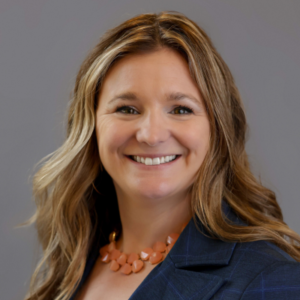
Chrissy Allard
GVO, LLC
Marketing & Sales Director
Chrissy is the Marketing and Sales Director at GVO. She brings over 20 years of expertise in helping businesses scale and grow. She has worn every hat on the rack from graphic designer to CMO. From working for one of the largest national wholesale distributors to working for startups, she loves helping businesses grow. When she isn’t working on building a pipeline, you can find her enjoying the great outdoors. No matter the weather, the lake life is calling her to spend time with her family, dropping a line, or just enjoying a cruise in her C10.
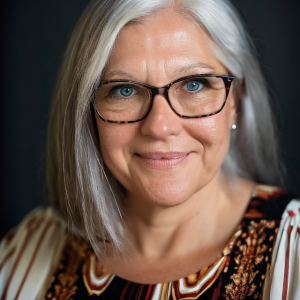
Jennie Hoffman
AccountingDepartment.com
Senior Implementation Controller
From accountant, auditor, controller to assistant director, Jennie has seen under the hood of many businesses through the years. As an outsourced controller for the past 11 years, she has learned the ins and outs of so many businesses and helped them evolve and grow. If there was a Dr. for accounting departments she would be one of the top ranked! She has helped so many businesses diagnose their issues and get on track to a good bill of health in no time. When Jennie isn’t transforming her customers’ businesses and making sure the books are balanced, she enjoys volunteering, craft projects and spending time with her family.
